UPDATE Aug. 23: This event is now full. If you’d like to be on the wait list, please send me a message.

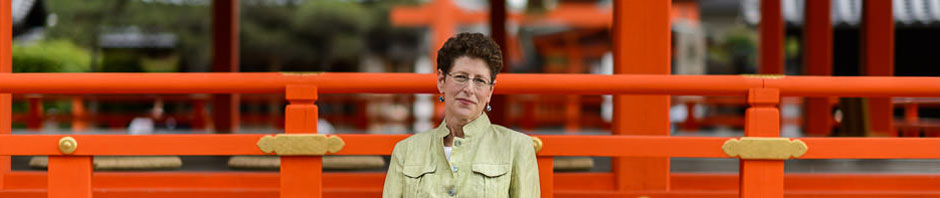
Love Japanese fabrics? Enjoy needlework and crafts? Just want to have a nice outing with nice people and do something creative? If so, please join me Saturday Sept. 23 on Mt. Oyama (Kanagawa Prefecture) for a fully guided tour with special access and a needlework workshop with Mutsuko Yawatagaki, one of Japan’s most famous quilters and founder of the Izumo Museum of Quilt Art. If you’ve been following what I’ve been up to the last few years, you’ll know she designed the Oyama pilgrimage quilt seen in the photo below.

Timed especially for this event, the quilt will be on display halfway up Mt. Oyama at the beautiful Oyama Afuri Shrine, so from the station we’ll there together, catching a city bus, walking the Koma Sando shopping street and riding the stylish green cable car for the last part of the climb.

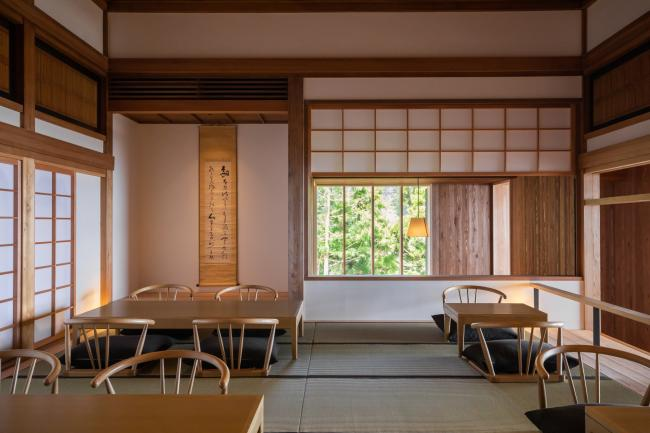
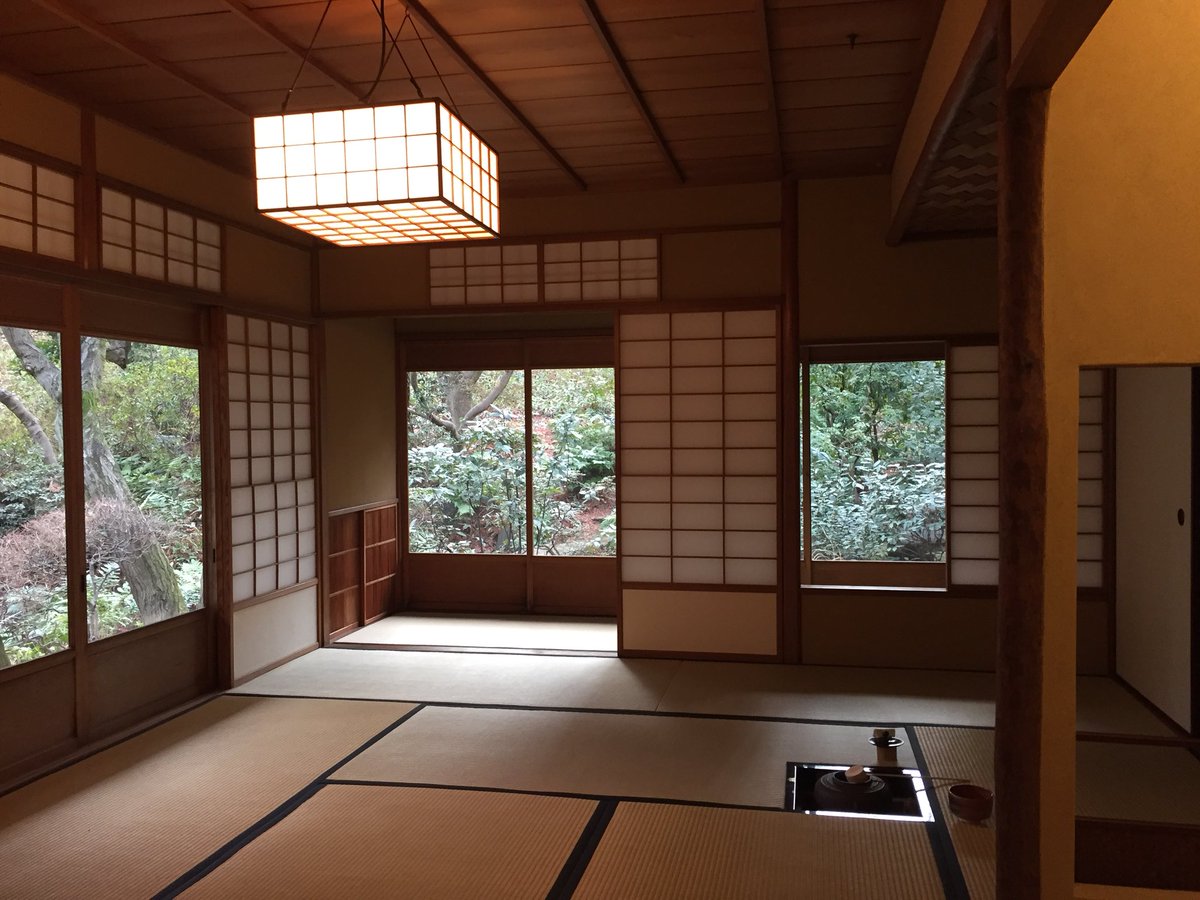
Once there, we’ll look at the quilt together with Ms. Yawatagaki and I’ll provide a brief orientation around the shrine precincts, including pointing out the trail to the summit (for future reference). Then we’ll have a coffee and tea break in the stylish Teahouse Sekison, which is part of the shrine and designed by the architect Yasushi Horibe. If the weather is clear, we’ll have a lovely view.
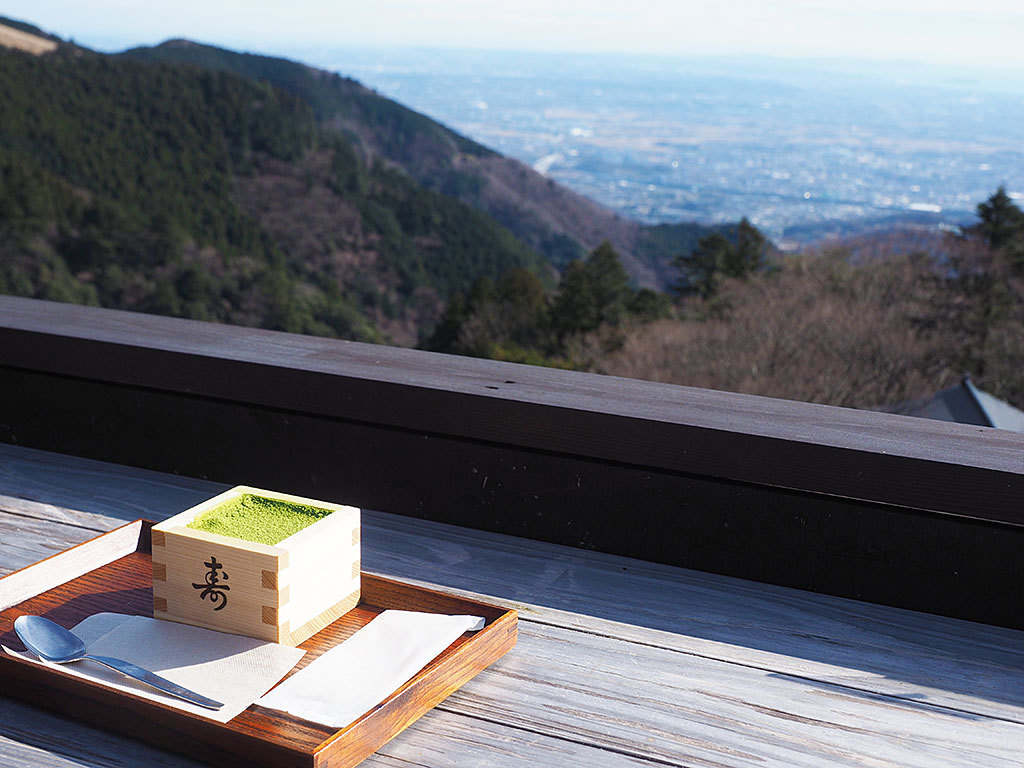
A hot drink is included in the cost of the tour; if you want to try their famous matcha tiramisu (500 yen, payable at the cafe), we’ll pre-order so you’re sure to get one.

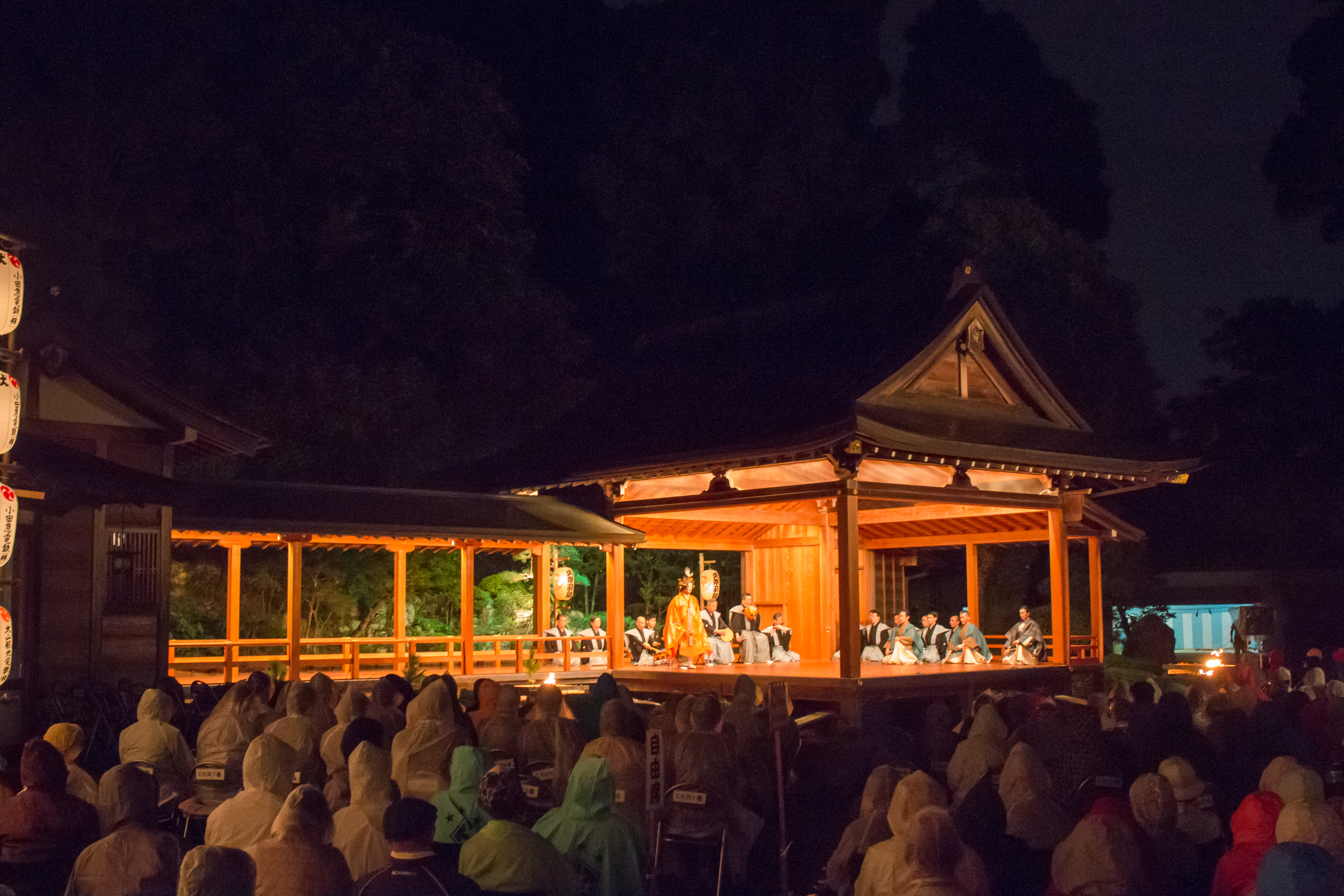
Now refreshed, we’ll go by special arrangements into the inner sanctums of the shrine to learn about the Oyama pilgrimage traditions from Shinto priest Kunihiko Meguro. (Eagle-eyed readers will recognize him as the priest who appeared in my film, Horimono: Japan’s Tattoo Pilgrimage, which was filmed inside the shrine exactly where we’ll be.) He’ll conduct a seishiki sanpai Shinto ceremony for us, ensuring we have the gods’ blessings for the rest of our day and success in our craft project!

After a quick look around the shrine, we’ll head back down on the cable car and go to the Meguro family’s ryokan, which is a traditional shukubo serving pilgrims. There, we’ll enjoy a vegan Japanese lunch highlighting the tofu that Oyama is famous for, and then settle in for the highlight of the day — the needlecraft workshop with Ms. Yawatagaki!

For the workshop, we’ll provide you with everything you need to make a 95 x 40 cm (37 x 15 inch) tapestry that can be hung on the wall like a hanging scroll or used flat as a table runner. No quilting experience is necessary — if you can do a simple stitch by hand with needle and thread, you can do this! The set is designed so you can probably finish it at the workshop (about two hours), but if you’re worried about being slow, don’t be. You’ll have the know-how and all materials to complete it at home.


The fabrics we’ll use are a mixture of antique silk obi fabric and new cotton pieces that are reproductions of designs in kimono fabric from the Edo to Taisho eras, produced by Ms. Yawatagaki’s museum and from her own collection — i.e., not available anywhere else! For the central image, you can make your own choice of several designs. She may have a few others on offer at the workshop, but if you like, you can reserve one of the designs below when you sign up. (It’s ok to change to a different design on the day of the workshop, if you see something you like better among any of the designs still available.)

The cost for this tour is 17,000 yen, which includes a full day of guiding, a hot drink during our morning break, a donation to the shrine, lunch and all the materials for the tapestry. (A grant from the Toshiba International Foundation allows us to defray some of the costs without passing them on to you.) For convenience, and a little savings, we suggest you buy the Tanzawa-Oyama Free Pass (2,520 yen from Shinjuku, less if you’re boarding the Odakyu Line closer to Isehara where we’re meeting). The pass covers your round-trip train ride to and from Isehara + all the bus and cable care rides we’ll take together. And it’s good for two-days in case you come early/or stay after the tour. For information on the Free Pass, see my detailed instructions on how to buy it.
I’ll send instructions for meeting closer to the time to those who sign up, but plan on meeting at Isehara station on the Odakyu Odawara Line at 8:55 am. (There’s a fast, direct train from Shinjuku departing at 8:01 and arriving 8:55). We’ll return to the station by around 4 or 4:30. Trains are frequent so you can be home for dinner. If you want to do an overnight in Oyama, either before or after the workshop, for sightseeing and/or hiking, I’ll help you with arrangements. One option is to stay on at the inn where we’ll be doing the workshop for 10,000 yen per person, including dinner and breakfast the next morning. There are also business hotels near the station.
I am limiting the tour to 12 people and — based on past experience — expect it to fill up so please sign up as soon as possible. We need to prepare the workshop materials and reserve the meals, so we ask that everyone pay in advance by Sept. 7 via bank transfer (furikomi) or PayPal. Once you’ve paid, you can cancel anytime for a refund (less a 1,000 yen service charge) if you find someone to take your place. Otherwise, for cancellations by 9:00 am on Sept. 20, we’ll refund 10,000 yen. Later than that, sorry — we can’t give you a refund but I will mail you the craft kit if you want to do it on your own.
We’re excited about this tour and hope you can join us!









 Alice Gordenker アリス・ゴーデンカー